V&R Mapping
This week I explored Visitor and Resident (V&R) Mapping. V&R Mapping was first introduced by White and Le Cornu in First Monday (2011) and is a way to “make our online lives and motivations visible in a form which can be reflected upon” (White & Le Cornu, 2017, 4.2 Significance). These maps use a cartesian plane to visualize the familiarity and intention behind an individual’s use of an online platform. The x-axis goes from Visitor (using the platform to complete a task) to Resident (“living in” and creating on the platform) and the y-axis represents Personal (used for hobbies/connecting with friends) to Institutional (used for work/school) (White & Le Cornu, 2017). Creating my own V&R Map allowed me to reflect deeply on which online platforms I use, and how I use them.
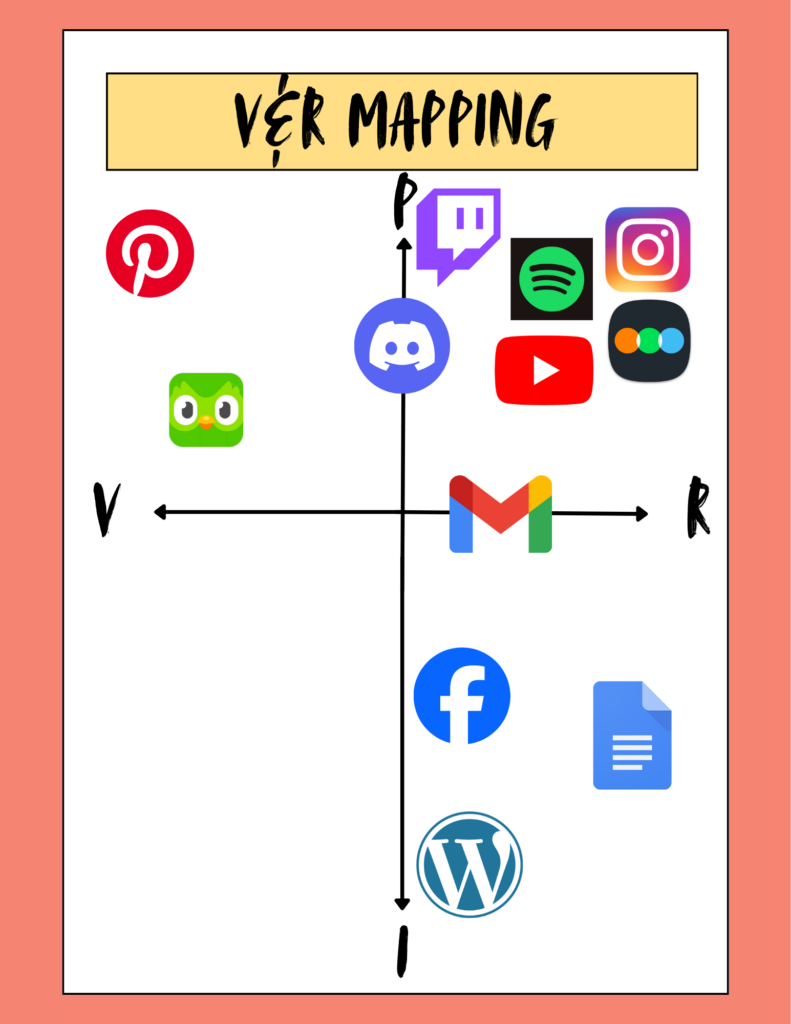
Unsurprisingly, most of the digital platforms I use fall into the Personal-Resident category. What can I say, I love to critique movies, make ultra-specific curated playlists, and use YouTube to (privately) store every video I’ve ever taken. As for Personal-Visitor platforms, I really only use Pinterest to look for painted nail inspiration and Duolingo to learn Spanish. Lastly, for the Institution-Resident quarter, I put Google Docs and WordPress, as I use those for school, and (maybe surprising) Facebook, as I only use it for the Red Robin Shift Changes group!
Using a V&N Map allows me to take a step back from the platforms I call home and look at my digital identity from a different perspective. Looking at my map, I realize that I have a strong online presence, from common social medias like Instagram to more niche platforms like Letterboxd and Twitch. However, my digital identity is tied mostly to the Personal-Resident quarter, leaving room for future professional connections. While platforms like YouTube and Discord can definitely be used to cultivate a professional learning network, the truth is that I’m just not using them for that purpose. I use YouTube to upload my montages and Discord to call with my friends while we play Minecraft…
I have not intentionally created a professional learning network online. Luckily, the platforms I do use offer this opportunity for connecting with other educators/resources (especially on Instagram) and researching different teaching practices/lessons (especially on YouTube). I think that if a future employer assessed my social media presence, with me providing opportunity to view my profiles online, they would see a creative person with many passionate hobbies…but little information about my teaching philosophies, practices, or experience. However, if an employer were to just search my name up online, they would find very little, if anything at all, about me. Everything I post online is private and I never use my full name… This is important because the digitalization of our world “has modified professional roles and is changing the nature of learning and employment” for us all (White & Le Cornu, 2017, 4.2 Significance).
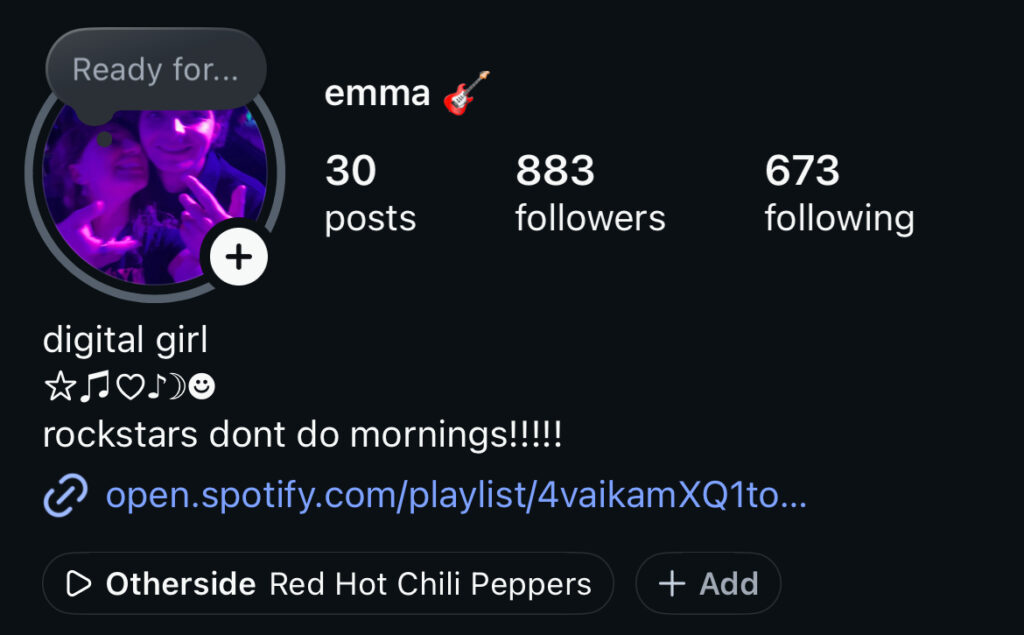
Growing up, my parents were very on me to be conscious about my online presence, always telling me that social media is for the people you already know, so they don’t need your last name. This stuck with me for ever, from using candy-themed usernames back in middle school to my current use of “emmakailyn” on most/all platforms instead of my full name. I think having data privacy and security hammered into me from a young age made me more intentional with what information I share online and how I use content to represent myself. However, I feel like this anxiety of oversharing online may have limited potential connections outside of my friendsphere, especially more professional connections. Platforms where professional connections are at the forefront (like LinkedIn) allow individuals to create a digital reputation, shaped by their posts, on a site used by many employers. Maybe it is time to finally sign up for a LinkedIn account…
While these online platforms allow for professionals to collaborate with one another and share and consume resources/research, Regan and Jesse (2019) warn that the online algorithms can lead to echo chambers where students are “subtly tracked into learning paths that machine learning algorithms, rather than teachers or parents, decide are best for them” (Regen & Jesse, 2019, p. 178). This reminds me, as a future educator, that building a Personal Learning Network (PLN) online is more than just connecting with and learning from the people we surround ourselves with, but also about being critical when consuming content online and, as an educator, ensuring I provide students with the right tools to be a critical thinker in a digital landscape.
PLN – Inclusion and Community Engagement
I think that the question of “how diverse is your PLN?” is a hard one to answer. I think my PLN is becoming more diverse each day, as I learn from new people, new experiences, old friends with new experiences, old friends recalling old experiences… and so on and so forth. My PLN is expanding and diversifying every day, and yet, in the grand scheme of things, it is probably too homogenous, too similar.
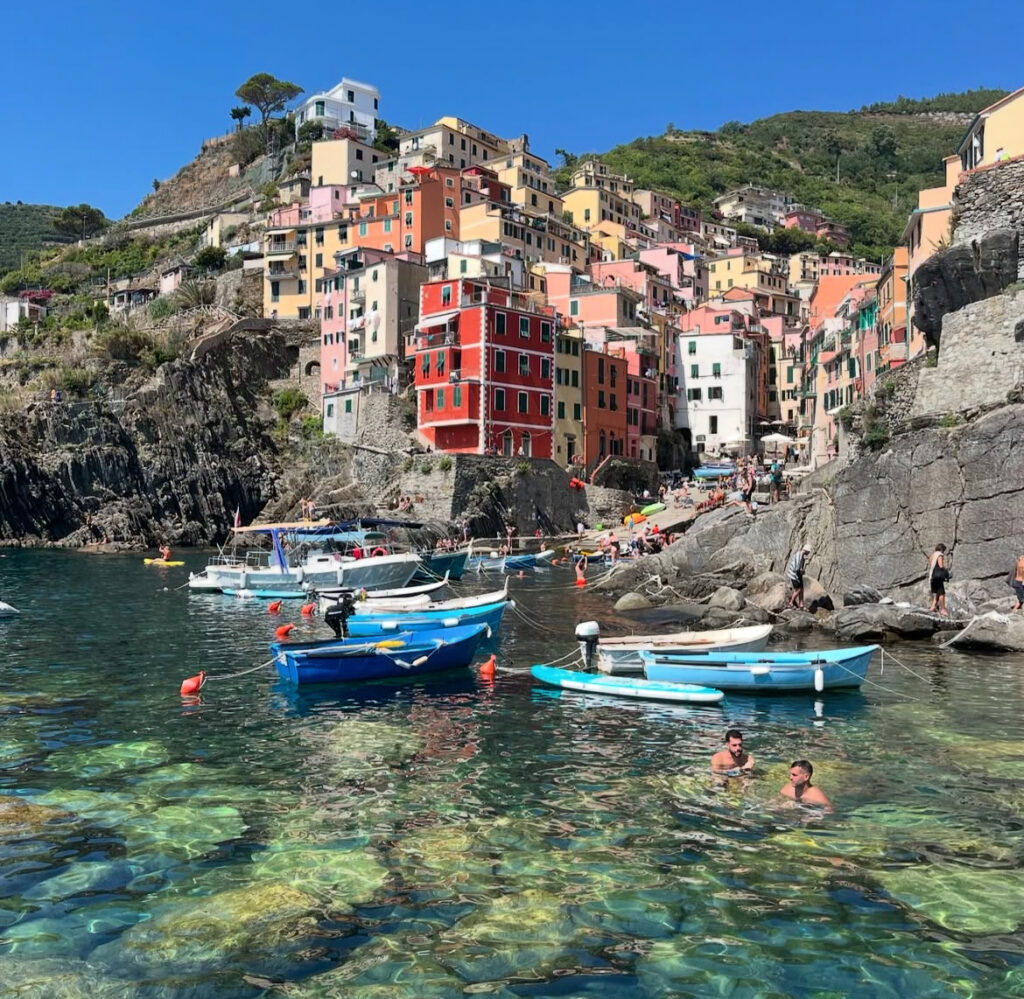
Something that has expanding my personal learning network more than ever is my privilege and love of travelling. Once I graduated high school, I began working full time as a cashier to bank my funds and travel the world. It was through this experience that I really felt I grew up, into not only an adult but the person I am today. Travelling showed me just how big the world really is, and allowed me to experience new languages and cultures I would never have had the opportunity to connect with if I had stayed in Canada. Throughout my travels, I have been able to chat with and learn from people all over the world.
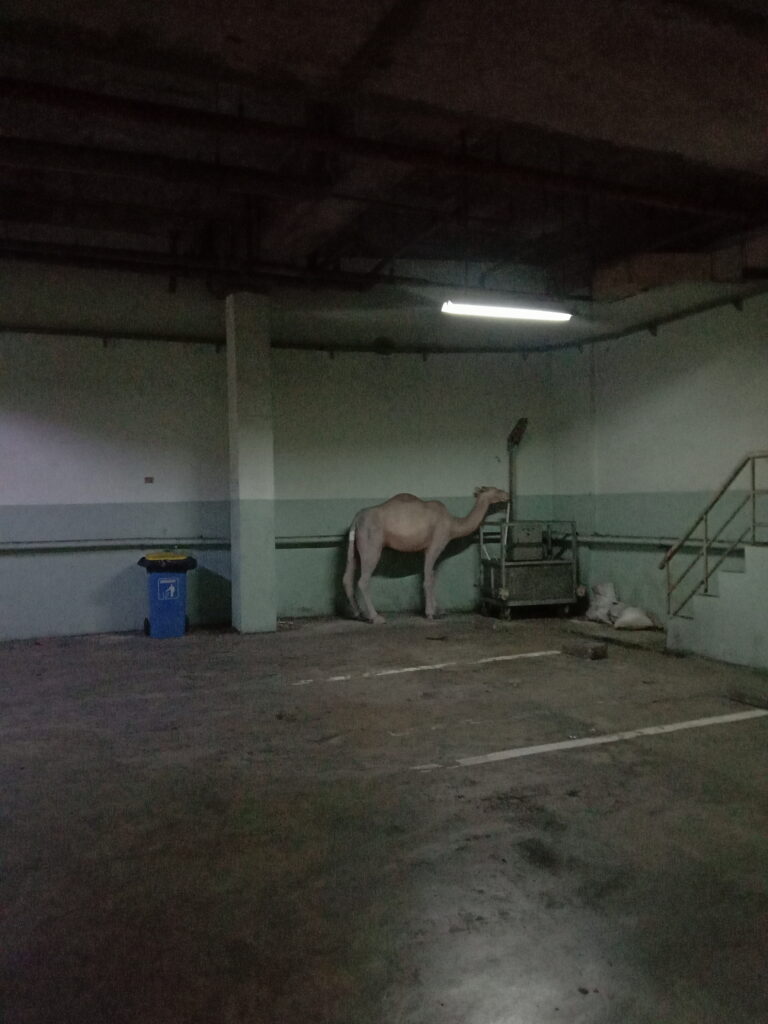
Of course, my PLN is diversified as well due to my online friends, as they share with me perspectives and experiences that are so completely unique to their lives. For instance, a couple of years ago my friend Nae, who lives in Indonesia, texted me because there was a camel in the parkade she was in. I thought she was joking. Lo and behold: the camel in the parkade.
These kind of experiences taught me to approach the unknown with curiosity and the want to learn more, rather than assumptions based on my lived experiences. So my PLN exposes me to diverse voices, but I think there are so many more voices missing. Sure I have friends from the other side of the world, but we still listen to the exact same music, speak English, exist in the same community of queer women…we are more similar than we are different. All the ocean does is separate us physically. As Dr Shelley Moore reminds me, “inclusion is finding the balance between belonging in communities of identity and communities of diversity” (Moore, 2025, “Inclusion is Not Assimilation”).
So I think my answer to how diverse my PLN is, is going to be “not very much.” I am drawn to my current connections through comfort in identity and commonalities, but am lacking in the diversity department, and therefore lacking in the opportunity to further learn from others.
A learning outcome of my PLN is to learn from others around me to become a better educator. I want to be inclusive, kind, passionate, and a good teacher. However, as Dr Shelley Moore reminds me, the want to be inclusive is not enough, as she notes that she has “never stepped into a school whose mission statement values segregation and exclusion, [but has] seen, in many schools, students experiencing all of exclusion, segregation, integration, and inclusion depending on the day, time, teacher, support staff, subject area, and grade” (Moore, 2016, p. 17). This reminds me that inclusion is an active task, where “100% of the time we are striving to be more inclusive” (Moore, 2016, p. 33).
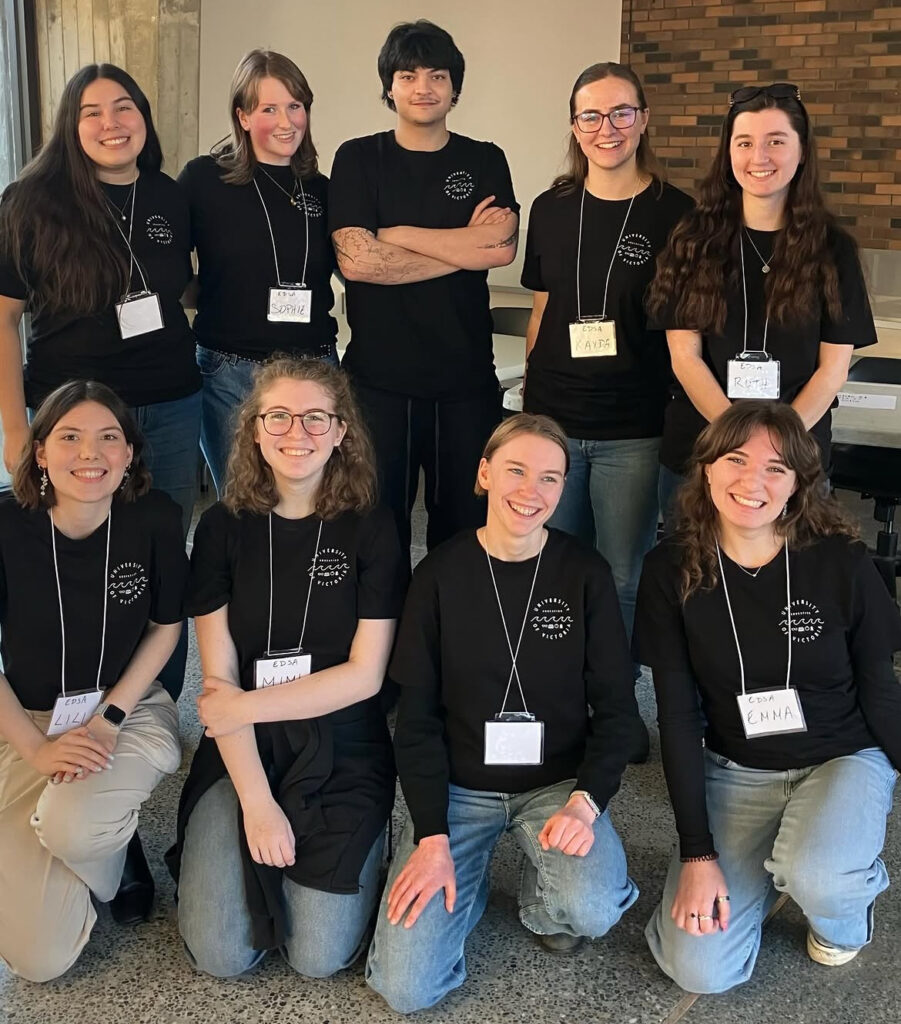
One of the greatest way I expand my PLN to meet this goal is through my work at UVic’s Education Student Association (EdSA) where I have been an executive member for three years. Working on EdSA has allowed me to connect with faculty, students, and teachers/psychologists in the local community to further build my pedagogical knowledge. As Dr Shelley Moore notes that her understanding of inclusion is continously expanding, I remind myself that diversifying my PLN is a lifelong task that will allow me to create inclusive learning environments for my future students (Moore, 2025, “Inclusion is Not Assimilation”).
Evolution of Thinking; re: Inclusion and PLN
After reading, watching, and reflecting on the material this week, I have come to see my PLN as less of a collection of people I know, and more of the values and philosophies I reflect, showing what biases may impact my future teaching. The use of social media and digital platforms have transformed the way educators all across the world can share resources, lesson plans, and learn from people they would have never had the opportunity to connect with otherwise. Whether this happens through Instagram reels, LinkedIn, or Discord, it allows for collaboration, and therefore further opportunities to challenge one’s previous biases, supporting inclusion and equity in the classroom.
Simultaneously, social media challenges communications due to the capitalistic greed of social algorithms, designed to keep you engaged and doom-scrolling forever. Developers want to keep you on their app, and they’ll do whatever it takes: even if that means changing your algorithm to encompass only extreme takes and controversial content. Marginalized voices and smaller creators are tossed to the side in favour of viral videos.
From an objective standpoint, social media is designed to be inclusive: it connects people from all walks of life, all around the world, allowing everyone to use the internet how they prefer. However, with anonymity comes negativity, with users often turning to harrassment like racism, sexism, and homophobia on any post that’s not by a cis white man. So, subjectively, I think social media is rather exclusive, favouring the oppressors, and lacking the necessary tools to ensure users cannot be terrible people just because they’re behind a screen. While employers look for and expect their employees to be respectful online, the truth is that hateful people will be hateful, and too many users have fake, no-profile picture accounts to disconnect themselves from their real life online.
Before this, I have never really considered whether or not the people I surround myself by and learn from amplifies the view of others. I think of myself more like a sponge, absorbing information from every facet around me, but never quite creating content to amplify marginalized voices. For example, I am passionately anti-genocide and occupation (as you’d assume everyone would be…) and thus am very pro-Palestine, from spending time researching Palestinian culture and circumstances to attending Palestine protests in both Victoria and Quebec. However, I have never used online platforms to share my research, protest information, or anything pro-Palestine. I write this off as my use of social media being a collage of my life, but I think, moving forward, I could be a lot more intentional with amplifying voices.
In sum, a diverse and inclusive PLN ensures that we are continously learning, instead of hitting a stalemate echo chamber where everyone around us shares the same thought process. As a future educator, connecting with others within the teaching community allows me to learn from a variety of teaching styles, philosophies, and cultures, creating a more inclusive and equitable environment for my students, and making me a better teacher!
Thanks, Emma, for this very open and insightful post filled with reflections on inclusion and diversity. I feel like we, as future educators, can never be 100% inclusive or diverse; rather, we can always strive to include others and keep asking for different perspectives. Seems like you are making a huge difference for those in your online community to better understand the views of others.
Thank you so much!
Hi Emma! Your V&R Map reflection was such an honest read, especially the part about your digital identity being so strongly Personal-Resident while your professional presence is basically nonexistent, and I think a lot of us are in that same boat! I also really liked your point about the tension between social media being objectively inclusive but subjectively exclusive. The way algorithms prioritize viral content over marginalized voices, while anonymity gives space for harassment, is such an important nuance that’s easy to overlook. Great post!
Thanks for the comment!