Taustalla vaikuttaa ilme: Pelikioski Kasino kehuu modernia ande-tyylistä kokonaisuutta, pelikioski-casinos.fi, jonka tavoitteena on tehdä pelaamisesta sujuvaa ilman rekisteröinnin hankaluuksia. Tämä näkyy sekä käyttöliittymässä että ohjeistuksessa, jossa pelaaja voi nopeasti löytää vastauksia ja aloittaa pelaamisen. Lopullinen arvio yhdistää visuaalisen ilmeen, toiminnallisuuden ja vastuullisuuden kolmeen keskeiseen tekijään.
Ensikatsaus Pelikioskiin osoittaa, että sivusto on suunniteltu nopean pääsyn kannalta, mikä helpottaa kokemusta aloittelijoille ilman monimutkaisia rekisteröintivaiheita. Käyttäjät voivat kartoittaa alustaa nopeasti ja löytää ohjeet sekä yleisluontoiset käytännöt turvallisella tavalla.
Käyttäjäystävällinen suunnittelu ja selkeä pääsy pelisivulle antavat sujuvan alun. Tämä teksti tarjoaa pienen kartan siitä, miten sivusto jäsentää tietoa, mistä löytää pelit ja miten voit varmistaa, että pelaaminen pysyy hallinnassa. Lopuksi lyhyesti muistutetaan peliongelmien ehkäisystä.
Selkeys ja nopeus: miten löydät pelit ja asetukset
Mobiiliversio on suunniteltu unohtamatta suuria kuvakkeita, selkeitä tekstejä ja nopeaa pääsyä suosituimpiin peleihin, mikä parantaa käyttäjäkokemusta liikkeellä ollessa.
Rekisteröintiä koskevat toimintamallit ovat yksinkertaisia ja sujuvia. Pelaaja voi aloittaa nopeasti ja löytää ohjeet käyttöönottoprosessiin sujuvasti, kun sivu tarjoaa ohjeita vaiheittain. Tämä voi pienentää kynnystä ensikertalaiselle osallistua peleihin.
Sivukartta ja päävalikot ovat intuitiivisia: käyttökokonaisuus tukee nopeaa siirtymistä pelien ja informaation välillä, mikä vähentää turhautumista ja parantaa tehokkuutta.
Miten pelit ja maksut eroavat aiemmista vaihtoehdoista
Käyttäjäystävällisyys tekee alustasta helposti omaksuttavan sekä uusille että kokeneille pelaajille.
Edut: selkeä käyttöliittymä, nopea rahansiirto ja monipuolinen pelitarjonta tukevat kokemusta.
Kokonaiskatsonta: kasvava pelitarjonta ja jatkuva kehitys luovat potentiaalia paremmalle kokemukselle
Muista lukea T&Cs ennen talletusta
Mitä muuta kannattaa huomioida aloittaessa?
Lisenssitiedot ja turvallisuusnäkökulmat on esitetty, jotta pelaajat voivat tehdä tietoisen valinnan.
Onko rekisteröinti välttämätöntä? Lähde viittaa Football: Ilman rekisteröintiä – tarkemmat tiedot puuttuvat, mutta aloittaminen voi olla nopeaa.
Kuinka varmistaa turvallinen pelikäyttäytyminen ja riskien hallinta? Selittää käytäntöjä ja parhaita käytäntöjä.
Käytä asiakaspalvelua ja anna palautetta, jotta alusta paranee.
Lumo Casino – perusidean tiivis kuvaus ja millainen alusta kyseessä on
Tämän tyyppisen alustan vahvuuksia ovat selkeä navigaatio, lumo-kasino.fi, tiivis sisältö sekä mahdollisuus tarkistaa bonusten ehdot suoraan käyttöliittymästä. Pelaajat voivat vertailla esimerkiksi pelien saatavuutta, kampanjoiden ehtoja sekä maksuvalikoiman toimintaa. Kaiken kaikkiaan Lumo Casino pyrkii tarjoamaan tunteen hallinnasta ja läpinäkyvyydestä.
Lisäksi talletukset ja kotiutukset muodostuvat tärkeimmistä käytännön askelista, joihin pelaajan on kiinnitettävä huomiota. Vaikka tarkemmat maksubärrät ja toimitusaikataulut eivät ole tässä yhteydessä yksilöity, pelaaja saa yleiskuvan turvallisesta ja sujuvasta rahansiirroista, kun käyttää pankkitunnuksia. Tämä antaa pienen maiseman siitä, mitä odottaa käytännön tasolla.
Teknisesti Lumo Casinon käyttö on sujuvaa sekä tietokoneella että mobiililaitteilla. Responsiivinen suunnittelu mahdollistaa pelien pelaamisen missä tahansa, kunhan pelaaja noudattaa sääntöjä ja omia rajoituksiaan. Pelitarjonta kattaa monipuolisesti kolikkopelejä, pöytäpelejä sekä live-kasinon vivahteita, mikä tekee sivustosta monipuolisen.
Käytännön huomioita nopeudesta ja reagoinnista
Hakutoiminnallisuudet ja suodatuspelaaminen helpottavat erityisesti suurten pelivalikoimien tutkimista. Pelaajat voivat rajata pelejä kategorioiden, tematiikan tai ominaisuuksien mukaan, mikä tehostaa löytämistä.
Mobiiliesitys on suunniteltu siten, että käyttö tapahtuu sujuvasti myös älypuhelimilla ja tableteilla ilman erillistä sovellusta. Responsiivinen suunnittelu varmistaa optimoidun näkymän pienilläkin näytöillä.
Kokonaisuutena voit todeta, että Lumo Casino pyrkii tarjoamaan sujuvan pelikokemuksen sekä turvallisen ympäristön. Käyttäjäystävällinen rakenne tukee pelaajien kiinnostuksen kohteita ja pelityylejä, riippumatta siitä, pelaavatko he pöytätietokoneella vai mobiililaitteella.
Miten Lumo vertautuu kilpailijoihin
Miinukset: kierrätysvaatimukset voivat vaikuttaa siihen, miten bonukset hyödynnetään täysimääräisesti.
Pohdinnan aiheena on, miten Lumo Casinon ominaisuudet vertautuvat kilpailijoihin, ja missä tilanteessa vaihtoehdot voisivat olla houkuttelevampia.
Miinukset: mahdolliset rajoitukset ja ehdoihin liittyvät yksityiskohdat, jotka vaativat tarkistusta
Monipuolinen pelivalikoima eri pelityypeillä
Eksklusiiviset kampanjat voivat tuoda lisäetuja
Pelien latausajat ja suorituskyky ovat hyvällä tasolla
Missä nähdä lisätiedot ja tuet
Päätelmä: Lumo Casino voi tarjota sujuvan pelikokemuksen niille, jotka etsivät selkeää käyttökokemusta ja bonuksia mutta myös haluavat noudattaa sääntöjä.
Kysymys: Onko tarjolla live-kasinoa? Vastaus: Live-tilat voivat tarjota reaaliaikaisen pelikokemuksen jakajan kanssa.
Mistä aloittaa: suositellaan rekisteröitymisen ja identiteetin varmistamisen jälkeen pelien kokeilemista demotilassa, jos mahdollista.
Tutustu Lumo Casinon tarjontaan ja varmista, että pelaat vastuullisesti.
Verottamaton ja lisenssoitu toimija – tarkista lisenssitiedot aina.
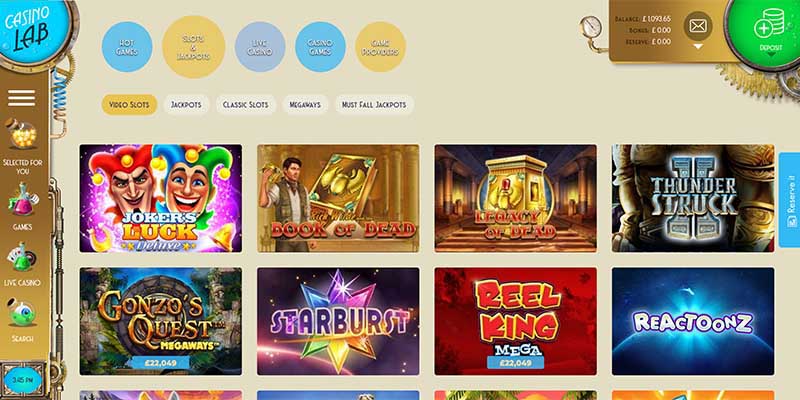
Ας ξεκινήσουμε ένα συναρπαστικό ταξίδι με το Gonzo’s Quest, https://gonzosquestslot.eu/, ένα παιχνίδι κουλοχέρηδων σχεδιασμένο για αρχάριους Έλληνες. Μαζί, θα εξερευνήσουμε το μαγευτικό θέμα του Ισπανού εξερευνητή και τα έντονα γραφικά που μας μεταφέρουν σε μια πλούσια ζούγκλα. Θα μάθουμε πώς η λειτουργία Avalanche προσθέτει στο παιχνίδι πιθανότητες για διαδοχικές νίκες και θα ανακαλύψουμε πώς οι πολλαπλασιαστές μπορούν να ενισχύσουν τις ανταμοιβές μας. Είστε έτοιμοι να ανακαλύψετε συμβουλές για τη μεγιστοποίηση του χρόνου παιχνιδιού σε ελληνικά online καζίνο;
Εξερευνώντας το θέμα και τα γραφικά
Όταν βυθιζόμαστε στο θέμα και τα γραφικά του κουλοχέρη Gonzo’s Quest, τοποθετούμε αμέσως τον εαυτό μας σε έναν έντονο κόσμο εμπνευσμένο από τις θρυλικές ιστορίες των Ισπανών εξερευνητών. Καθώς περιστρέφουμε τους τροχούς, έντονα και περίπλοκα σχεδιασμένα σύμβολα των Μάγια τραβούν την προσοχή μας, αναβιώνοντας τον αρχαίο πολιτισμό στις οθόνες μας. Το καλαίσθητα αποτυπωμένο σκηνικό δημιουργεί το σκηνικό για την περιπέτειά μας, γεμάτη με καταπράσινες ζούγκλες και μυστηριώδη πέτρινα γλυπτά.
Μπορούμε να νιώσουμε την δέσμευση των προγραμματιστών στην γνησιότητα μέσα από τα έντονα χρώματα και τα λεπτομερή κινούμενα σχέδια που μας διατηρούν αφοσιωμένους. Επιπλέον, ο Gonzo, ο γενναίος κατακτητής μας, αποτελεί έναν γοητευτικό οδηγό, γιορτάζοντας τις νίκες μας χαρούμενα. Αυτό το ενεργητικό περιβάλλον όχι μόνο μας ψυχαγωγεί αλλά μας προσκαλεί και να εμβαθύνουμε, κάνοντας κάθε γύρισμα μια μαγευτική εμπειρία στον ιδιότροπο κόσμο του Gonzo.
Πώς λειτουργεί η λειτουργία Avalanche
Καθώς βυθιζόμαστε στους μηχανισμούς του Gonzo’s Quest, ένα από τα χαρακτηριστικά που ξεχωρίζουν είναι η λειτουργία Avalanche. Αυτή η δυναμική περιστροφή αντικαθιστά τους παραδοσιακούς περιστρεφόμενους τροχούς, παρέχοντας μια νέα και ενδιαφέρουσα εμπειρία παιχνιδιού. Αλλά πώς ακριβώς λειτουργεί αυτό;
Όταν επιτυγχάνουμε έναν κερδοφόρο συνδυασμό, τα σύμβολα εκρήγνυνται και νέα σύμβολα καταρρέουν από πάνω για να καλύψουν τα κενά. Αυτό μας παρέχει μια ακόμη ευκαιρία να νικήσουμε, προκαλώντας μια σειριακή αντίδραση ενθουσιασμού. Για να το αντιληφθούμε καλύτερα, ας αναλύσουμε τη λειτουργία της Χιονοστιβάδας:
Ενεργοποιείται από Νίκες
Νέες ευκαιρίες
Συνεχής Δράση
Απολαύστε τη έξαψη αυτών των δυναμικών καταρρακτών!
Κατανόηση του ρόλου των πολλαπλασιαστών
Στο Gonzo’s Quest, οι πολλαπλασιαστές είναι τα κρυμμένα διαμάντια που ενισχύουν τα κέρδη και προσθέτουν ένα ενδιαφέρον βαθμό αναμονής σε κάθε γύρισμα. Ας το εξερευνήσουμε λίγο βαθύτερα. Οι πολλαπλασιαστές μπαίνουν στο παιχνίδι όταν ξεκινάμε τη λειτουργία Avalanche. Κάθε επακόλουθη κατάρρευση αυξάνει τον πολλαπλασιαστικό παράγοντα: ξεκινώντας από το 1x, αυξάνεται στο 2x, 3x και μπορεί να καταλήξει στο εντυπωσιακότατο 5x! Ο ενθουσιασμός δεν τερματίζει εκεί. Όταν βρισκόμαστε αρκετά τυχεροί ώστε να εισέλθουμε στον γύρο Free Fall, αυτοί οι πολλαπλασιαστές ανεβαίνουν στο 3x, 6x, 9x, ακόμη και στο 15x. Ο συγκεκριμένος μηχανισμός μπορεί να ενισχύσει ουσιαστικά την εμπειρία, μετατρέποντας μια κανονική νίκη σε επική. Κατανοώντας αυτές τις λεπτομέρειες, κερδίζουμε προβάδισμα, βελτιώνοντας τον ενδιαφέρον και τις δυνατές απολαβές. Είμαστε έτοιμοι να εκμεταλλευτούμε τους πολλαπλασιαστικούς παράγοντες και να ενισχύσουμε το gameplay μας;
Οδηγίες για τη Μεγιστοποίηση του Χρόνου Παιχνιδιού
Για να αξιοποιήσουμε στο έπακρο τον χρόνο με το Gonzo’s Quest, ορισμένες στρατηγικές οδηγίες είναι δυνατόν να ενισχύσουν την εμπειρία μας και να επεκτείνουν δημιουργικά το κεφάλαιό μας. Δείτε με ποιον τρόπο είναι δυνατόν να εκμεταλλευτούμε στο μέγιστο κάθε περιστροφή:
Ορίστε έναν προϋπολογισμό σας
Αξιοποιήστε το Δωρεάν Παιχνίδι
Χρησιμοποιήστε τα Μπόνους Σοφά
Η κατανόηση αυτών των οδηγιών βελτιώνει την περιπέτειά μας με τον Gonzo!
Πλοήγηση στο Gonzo’s Quest σε Ελληνικά Online Καζίνο
Όταν εισχωρούμε στον ενεργό κόσμο των ελληνικών online καζίνο για να βρούμε το Gonzo’s Quest, είναι σαν να αρχίζουμε το δικό μας κυνήγι θησαυρού. Αρχίζουμε επιλέγοντας ένα αξιόπιστο καζίνο που προσφέρει μια εύχρηστη διεπαφή και ισχυρά χαρακτηριστικά ασφαλείας. Οι ελληνικές πλατφόρμες συνήθως αναδεικνύουν δημοφιλή κουλοχέρηδες, οπότε ο Gonzo συχνά εμφανίζεται στο προσκήνιο. Μόλις μπούμε στον ιστότοπο, το μόνο που χρειάζεται να κάνουμε είναι να αναζητήσουμε στην ενότητα των κουλοχέρηδων, ενδεχομένως χρησιμοποιώντας μια γραμμή αναζήτησης για να εντοπίσουμε τον περιπετειώδη φίλο μας. Καθώς επιλέγουμε το Gonzo’s Quest, θα πρέπει να εξετάσουμε τη λειτουργία επίδειξης, εάν είναι διαθέσιμη. Μας δίνει τη δυνατότητα να νιώθουμε άνετα χωρίς καμία οικονομική δέσμευση. Αντιλαμβανόμενοι τη διάταξη και τη ρύθμιση του παιχνιδιού του ιστότοπου, μπορούμε να απολαύσουμε πλήρως την περιπέτεια χωρίς καμία ενόχληση.
Σύναψη
Εν κατακλείδι, ανακαλύψαμε τον ενδιαφέροντα κόσμο του Gonzo’s Quest, κατάλληλο για τους Έλληνες φίλους μας που ξεκινούν στα online κουλοχέρηδες. Με το πολύχρωμο θέμα και τα συναρπαστικά γραφικά, τη μοναδική λειτουργία Avalanche και τους ελκυστικούς πολλαπλασιαστές, σίγουρα θα χαρείτε κάθε στιγμή. Θυμηθείτε, οι συμβουλές μας μπορούν να σας υποστηρίξουν να εκμεταλλευτείτε στο έπακρο τον χρόνο παιχνιδιού σας. Βυθιστείτε λοιπόν στην περιπέτεια και ανακαλύψτε τα ελληνικά online καζίνο για να αρχίσετε αυτό το συναρπαστικό ταξίδι με τον Gonzo. Καλό γύρισμα!
For my EDCI 335 Interactive Learning Resource, I created a Social Studies 8 unit that delves into life in the Late Middle Ages of Europe, hosted on Google Classroom!
Hi Sasha! I really loved how you emphasized how important the shift away from “one-size-fits-all” is when you broke down the Universal Design for Learning (UDL). Your point about agency is so valuable: UDL is not just about accessibility, but about empowering students to take ownership of their learning.
It’s interesting that you prefer synchronous online classes, I’m the exact opposite. I think this goes to show how important it is to have options, so learners can choose what sort of class works best for them. I really like your suggestion of blending the two approaches to focus on flexibility AND connection, and I think that would be a strong idea that benefits all parties.
Your ideas for increasing interaction when teaching online were fantastic. Collaborative and playful elements like Kahoot not only help with learning, but also build community, which is something that online spaces tend to lack. In sum, your blog post really highlighted why inclusive design matters: not only to support students with barriers, but to create a better learning environment for everyone!
Hi Max! I love how you broke down the three UDL principles and connected them to your own educational experiences. Your tutoring example really shows how Multiple Means of Representation can transform a students confidence and comprehension. I absolutely loved your story about the wig too. It showed that inclusion doesn’t always have to be elaborate and small moments can have the most meaningful impact.
Your breakdown of synchronous vs asynchronous learning was super clear, and I enjoyed reading about the hybrid model you had in your EPHE course. It goes to show how these two approaches can support each other, providing structure with flexibility, designed with accessibility in mind.
In sum, your blog post highlighted the idea that UDL is more than just a framework, but a mindset too, preaching belonging and inclusivity.
Hi Sophia! I really loved the way you weaved together UDL, Inclusive Learning Design, and Synchronous vs Asynchronous learning. I especially liked how you acknowledged the global evolution of UDL, illustrating how this idea grows beyond a western context. As a dancer myself, I absolutely loved the tortoise vs hare dance and I think this was a fantastic contribution to your talking points.
It’s so true than many of us only recognized the strength of asynchronous formats once we were immersed in them during the Covid-19 pandemic. I loved hearing how anonymous collaboration increased student voice in your Psychology class. This really demonstrates how digital tools can make learning feel safer in a non-judgmental environment. Overall, this post really highlighted how, when educators design with inclusion in mind, every student becomes more likely to succeed.
As hit alt-rock band, Twenty One Pilots, says, “Intentions are everything.”
This line has its place in the classroom, as effective learning design stems from intentionality. The best learning spaces are built with diverse learners in mind from the start, instead of continuously retrofitting design with each student. This idea of intentionality sits at the forefront of inclusive, engaging, and effective design in educational practice.
Universal Design for Learning is a concept that has come up in every single education class I have taken at UVic. UDL is the idea that learner diversity is the norm, rather than the exception. Every student comes into the classroom with a unique set of skills, needs, experiences, and worldview, so designing with this in mind from the very beginning ensures that no one is left behind.
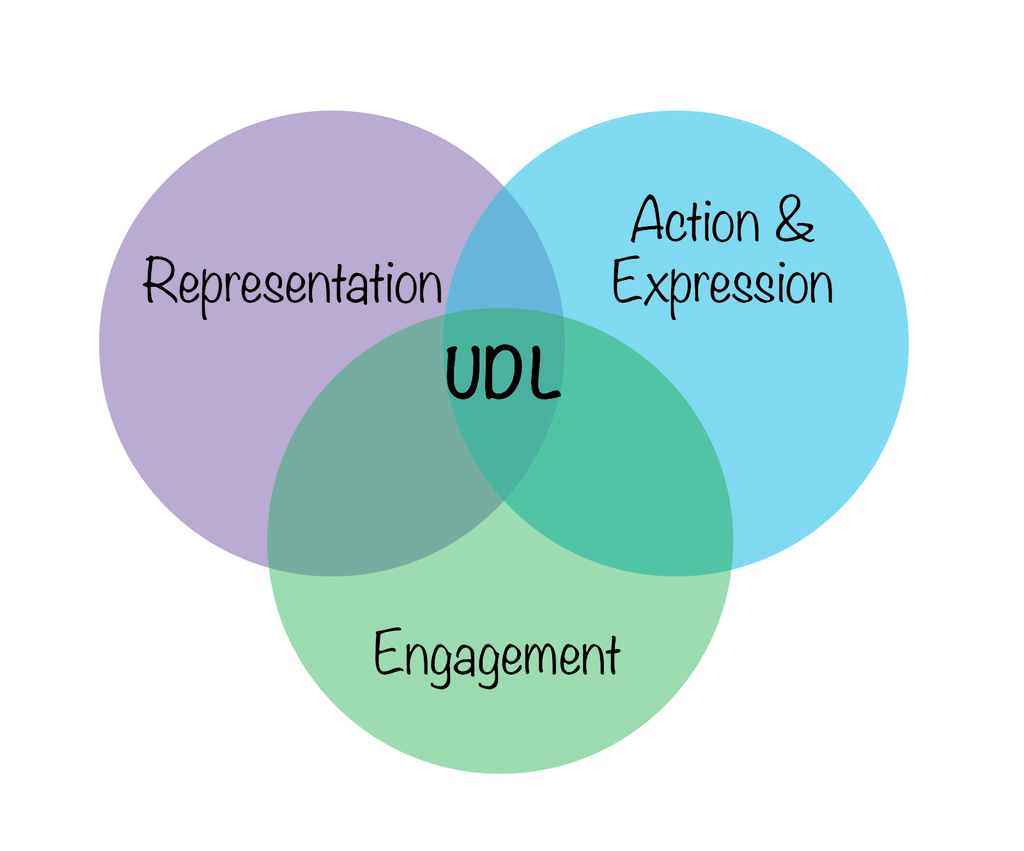
UDL has three principles:
Multiple Means of Engagement – WHY
Options for: recruiting interest, sustaining effort and persistence, and self-regulation
Multiple Means of Representation – WHAT
Options for: perception, language and symbols, and comprehension
Multiple Means of Action and Expression – HOW
Options for: physical action, expression and communication, and executive functions
One way I’ve used UDL is in my Link2Practice. I was in a Grade 4/5 class and we had two students who struggled with writing. When planning for English Language Arts assignments, I used UDL principles to value their diverse ways of showcasing their understanding. For one student, he struggled with the actual printing part of writing, so I had him type up assignments for ELA. The second student struggled with the connection between her thoughts and forming sentences, so I had her say her ideas orally while I scribed for her. By allowing learners to feel seen in how they can demonstrate their learning, they are far more likely to feel motivated and succeed.
Inclusive Learning Design
Inclusive Learning Design builds off of the concepts of UDL by recognizing that inclusion is not just about accessibility, but also representation. The importance of representation is something I heard about a lot while I was growing up, but what that actually means didn’t click until I was much older. When I was younger, I remember watching TV shows and movies because they had a singular, non-main character who was queer. I would watch this media for that background character, for that semblance of queerness. When I reflected on this as a teenager, the importance of representation clicked for me. I was a queer person looking for other queer people in the media I was watching, craving that relatability that every other white girl had.
I think I’ve seen Glee (it its entirety) more times than I have fingers
The idea of representation in the classroom is so important, and can be integrated to allow students to feel valid in their identities and like they belong, by:
Using diverse media/authors
Offer culturally-responsive examples
Ensure students see themselves in the materials provided
Synchronous and Asynchronous Learning
Both synchronous (real-time) and asynchronous (not-real-time) learning have their own benefits. Synchronous classes build opportunity for connection and a chance to correct misconceptions immediately, while asynchronous classes offer a more accessible learning space and time for reflection. To reap the benefits, educators can combine these, enhancing inclusion for students with busy schedules and differing learning speeds by offering multiple ways to participate.
My experience with asynchronous learning began alongside many others, during the Covid-19 Pandemic. My classes went fully online when I was in Grade 10, and I found that I procrastinated all of my work until the very last two days, when I spent 48 hours doing a semester worth of assignments. In High School, I figured asynchronous learning worked better for me because it had hard deadlines.
What I spent my time doing in 2020, instead of my classes
In University, I began commuting to school, 1.5h each way. With set 8:30am classes each morning and no flexibility, I found that synchronous classes were my downfall. I work every night, so at most I get about 6 hours of sleep, because all my time goes into commuting rather that learning. Asynchronous classes work so much better for me, because I can put time into learning, doing the work, and being engaged (rather than overtired, but in class) over just commuting back and forth.
So we get this interesting sort of juxtaposition between my experiences with asynchronous classes. When looking back, what I think it really boils down to is design. My Covid classes were designed to be synchronous, so they felt unengaging and unmotivating when taken asynchronously, while my University classes were asynchronous by design, and thus feel educating and significant
Principles of Effective Online Education
In order for online learning to be meaningful and effective, it must be clear, consistent, and connective. Well-designed online environments should be just as structured as they are flexible, by aligning assignments and assessments clearly with learning outcomes. By having criteria and goals accessible, students can focus on learning rather than unveiling expectations.
Including accessible features like captioned videos and multimodal instructions makes learning more accessible for everyone. One of my biggest grievances with assigned videos in classes is when they lack captions. I find that I remember topics much better when I’m reading captions rather than just listening to a video, because I have to more actively participate in my own learning. As well, in asynchronous courses, it’s much easier to screenshot captions for later than rewriting everything currently being said.
Benefits of captions:
Assist hearing-impaired
Benefit learners multimodally
Support ESL students
This goes to show the impact of inclusive education, and the reason that there is no “average student,” because accessibility benefits everyone.
When educating online, presence is everything and interaction is priceless. This can be seen as having instructors who are actively engaged in the learning experience, whether it’s responding to discussions, returning work with feedback in a timely manner, or sharing lived experiences. This presence isn’t about availability, but rather being intentional with connection.
Even when asynchronous, educators can design an engaging learning space by ensuring it includes all three modes of interaction:
Student-Content (connecting with material)
Student-Student (collaboration)
Student-Teacher (guidance and feedback)
Most important when learning asynchronously (and often shoved on the backburner) is the collaborative practices of learning. By having students peer review, discuss together, and work in group projects, learning becomes a community experience.
Meaningful presence and interaction foster trust in the learning process. Trust invites risk-taking, pushing past comfort zones, and growing. Through this, we get an authentic and significant learning experience.
Conclusion
Teaching is not about having a perfect plan, but it is about having a responsive one. Learning design is a circular process which must be continuously revisited and refined. Through processes like UDL and Inclusive Learning Design, we can make intentional and meaningful educational spaces, whether that means coming together in the classroom or working independently in an online space.
Hi Sasha! I really enjoyed reading your thoughts on this module and your explanation of Backward Design and Understanding by Design, especially how you connected it to Jennifer Gonzalez’s Cult of Pedagogy podcast! You really hammered in that teaching is most effective when we start with the why and plan with a purpose.
I loved reading your reflection on inquiry-based and project-based learning. Hearing that, while you didn’t connect with the class novel, you really got into the novel-based trivia game is so awesome and goes to show that the design methods we are learning really make a difference when put into practice. I would’ve loved for you to go deeper into what assessment looks like for inquiry and project-based learning. While a class-made rubric is great for summative assessment, I wonder how self-reflection and formative assessment can be incorporated.
This blog post was engaging, succinct, and does a great job outlining different design methods and how they are interconnected. I can’t wait to read your next one!
Hi Max! I really enjoyed reading your blog post, especially how reflective and personal your thoughts on these design theories were! Connecting the Understanding by Design model with your lived experience this term really captures the key point of design models like this, and how it allows both teachers and learners alike to plan with intention.
Your example of the carnival game you and your out-of-school-care kids created is such a fun and authentic use of Design Thinking in action. I loved how you laid out your process, walking us (as in the readers) through the stages, showing how this framework really works in teaching. It’s great to see how empathy can lead to more meaningful engagement and, sometimes, even new carnival games!
Your learning-by-doing mountain biking example was such a great anecdote for experiential learning. It ties in so well with the theme of your post and really shows that true growth comes from curiosity and reflection, not rote memorization.
My experience with asynchronous learning began alongside many others, during the Covid-19 Pandemic. My classes went fully online when I was in Grade 10, and I found that I procrastinated all of the work until the very last two days, when I spent 48 hours doing a semester worth of work. In High School, I found synchronous learning worked better for me because it had hard deadlines.
In University, I began commuting to school, 1.5h each way. With set 8:30am classes each morning and no flexibility, I found that synchronous classes were my downfall. I work every night, so at most I get about 6 hours of sleep, because all my time goes into commuting rather that learning. Asynchronous classes worked so much better for me, because I could put time into learning, doing the work, and being engaged (rather than tired) over just commuting back and forth.
So we get this interesting sort of juxtaposition between my experiences with asynchronous classes. When looking back, what I think it really boils down to is design. My Covid classes were designed to by synchronous, so they felt unengaging and unmotivating when taken asynchronously, while my University classes were asynchronous by design.
The difference between classes that you do and forget about, and classes that stick with you and shape how you think, is almost entirely based on instructional design. Concepts like backward design, understanding by design, design thinking, learning outcomes, and project-based learning are more than just buzzwords, but tools that explain why some learning experiences felt meaningful, while others felt like busy work.
Backward Design and Understanding by Design
The idea of Understanding by Design is a educational framework which operates in three stages:
Determine Evidence – assessments to show learning (performance tasks, projects, tests, etc.)
Plan Learning Experiences & Instruction – align activities to outcomes and evidence
Basically, start at the end and end at the start, or, more eloquently, design backwards.
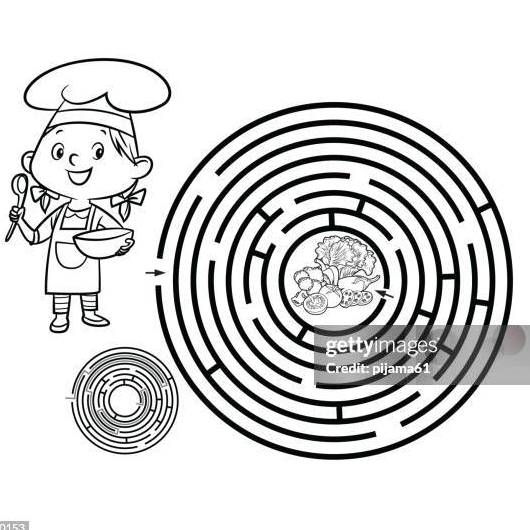
I would work from the centre outwards, similar to how backward design works
The idea of starting with the end in mind sounds obvious once you hear it. I used to be obsessed with those mazes you’d find on diner kids menus, and I always solved them end to beginning, because it was the most efficient strategy. I see the appeal of backward design, and it blows my mind that this is barely mentioned in the Bachelor of Education programme. Backward design would be fantastic, except we don’t even get our assessment class until the second semester of year 3. If I was exposed to this theory earlier, I would’ve implemented it into my practicum.
My high school Calculus teacher was one of my favourite teachers ever. She had a doctorate in math and, looking back on her class, I think she infused the idea of backward design into her lessons. She had clear exams, even practice test so we could familiarize ourselves with what kind of material would be on the exam. She never used scantron because she understood that, although math is either right or wrong, it’s easy to make mistakes, and one mistake shouldn’t cost you your grade. Finally, she only assigned homework to students who needed extra practice, understanding that for students who understood the material, it was just busy work. Her class, and her teaching style, will always stand out to me because of her clear instruction, assessment, and lack of busy work. Her class felt meaningful and learning felt fun.
Backward design ensures that the lessons are rooted in learning goals, rather than busy work or random activities. Educators must ask themselves, “What is it that I want my students to be able to do by the end?” which creates a better planned, laid out, and more holistic learning experience.
Design Thinking
Design thinking is an educational concept which is stretched over five phases:
Empathy – who is impacted and what are their needs?
Define – clarify the problem, constraints, and resources
Ideate – brainstorm possible solutions
Prototype – build or sketch possible solutions
Test – share, refine, repeat
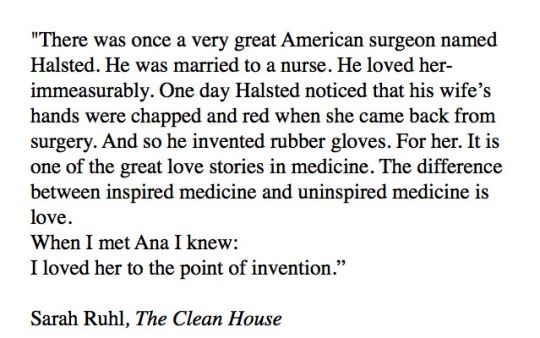
What stood out to me about design thinking is the emphasis on empathy. Problem-solving requires looking at the problem from an outside perspective, or even by stepping into someone else’s shoes. The moment I learned about this, it reminded me of an old quote:
To be loved to the point of invention, that is the goal. This story, of the creation of rubber gloves, is a romantic view of design thinking. The surgeon had to step into his wife’s shoes, see how her hands were being irritated at work, and create something to solve this problem. This process mirrors design thinking perfectly.
In my future teaching practice, I plan to invoke this framework into lessons on Indigenous land, climate change, invasive species, and more. By allowing learners to see these problems from an alternate perspective, they themself are suddenly aware of challenges presented, which makes the process of problem-solving much more meaningful.
Learning Outcomes and Taxonomies
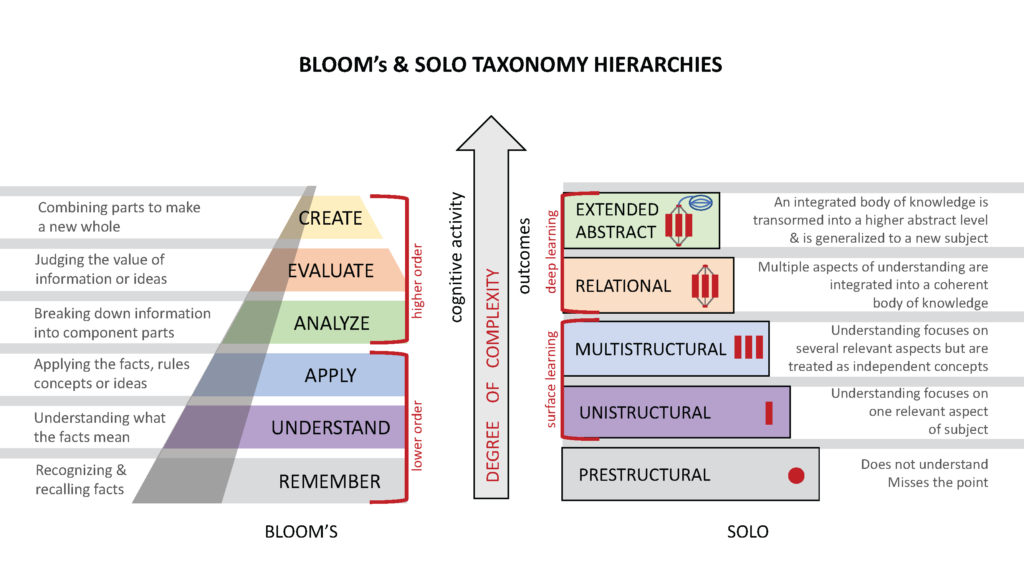
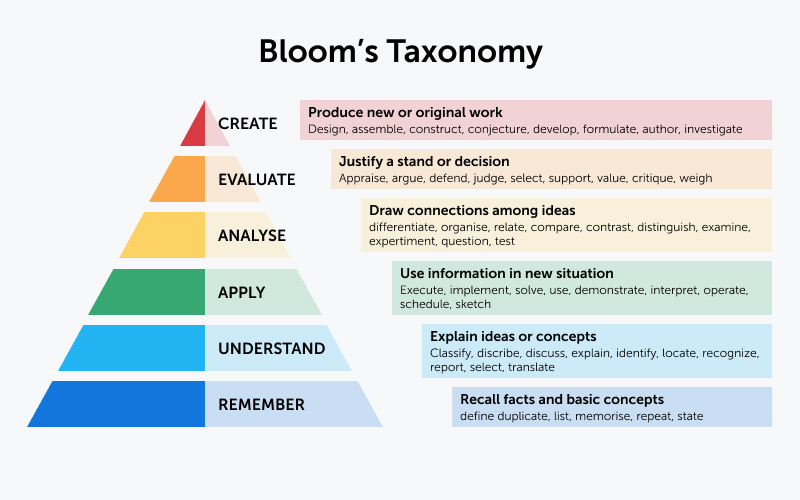
I am more than familiar with Bloom’s Taxonomy, but I have never heard of the SOLO (Structure of Observed Learning Outcomes) Taxonomy until now. Bloom’s goes into what students should be able to do at the end, using clear, measurable terms, while SOLO’s measures the depth of student learning.
Vague Verbiage
Specific Learning Outcomes
Students will know hip hop culture
Students will be able to describe the cultural significance of hip hop dance
Students will do a hip hop combo
Students will be able to demonstrate basic hop hop moves in sequence
Students will perform a dance
Students will be able to create and perform a 16-count hip hop dance
To me, I think Bloom’s is more helpful in learning design, while SOLO is more helpful in learning assessment. While I’m more familiar with Boom’s and thus partial to it, I am sure I will be getting good use out of both of these in my future career.
Better Learning Design
Surface vs Deep Learning
Surface-Level Learning
Deep Learning
Minimal effort, memorization, low-level skills
Applying, analyzing, evaluating, critiquing
Reflecting on my experiences in school, I definitely fell into surface-level learning quite a bit. I would memorize formulae and facts to pass an exam, and the moment I would see that “A,” I would completely forget everything that I learned. I was not learning the material because I was engaged, but simply because I needed to pass that test and move onto the next thing.
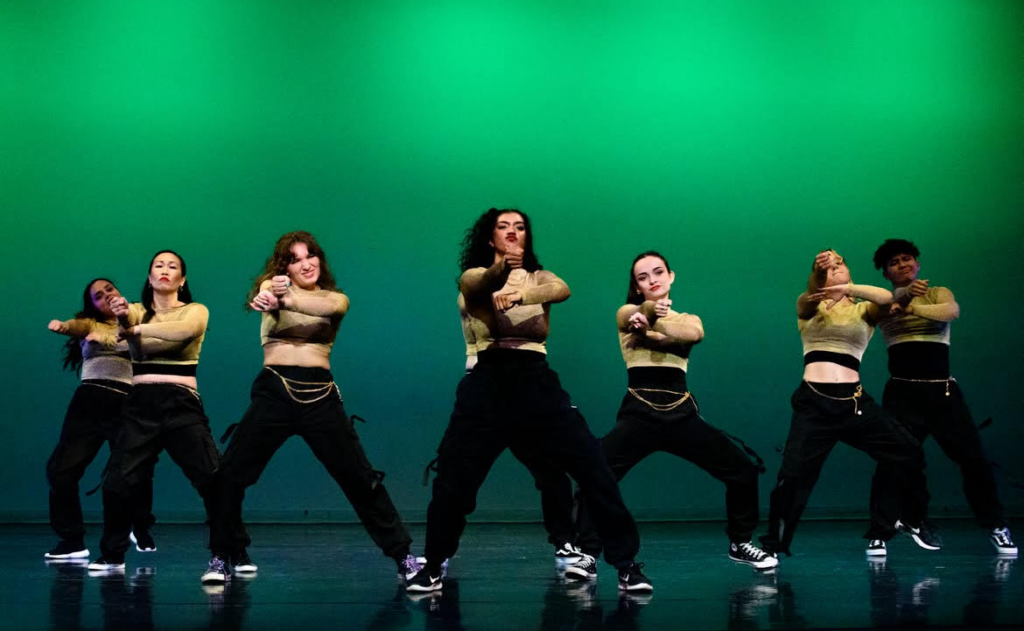
Me, (third from left), dancing for Raino Dance at the most recent June show
This contrasts completely with how I am in dance classes. I’ve been an avid dancer for six years, trained in every style you can name except ballet. In dance class, my learning is deep. I went above and beyond memorizing moves, I would practice and apply concepts of rhythm and style that still stick with me now. Between these two experiences, the design is what sets them apart. School felt objective, disconnected, and focused more on grades, while dance was hands-on, iterative, and engaging.
Inquiry and Project-Based Learning
As an education student, inquiry and project-based learning is something I’m all-too familiar with. When students get to explore something they’re interested in, using authentic questions, they feel a sense of ownership over their learning. My work in the Bachelor of Education programme has shown me this first-hand, as a large portion of our assignments are inquiry-based. These kinds of projects allow students to guide their own research, which can feel a lot more meaningful and motivating than traditional assignments.
This approach creates a more holistic learning experience and fosters a deeper connection to content, especially when tied to personal interests. Of course, it comes with many challenges too:
ensuring that inquiry projects align with the BC cirriculum
managing time for inquiry projects
providing enough structure while still allowing freedom of choice
Every good thing comes with a challenge, and I believe that the benefits of inquiry-directed learning outweigh the challenges. Project-based learning prepares students for the world outside of school, where learning comes from exploration and collaboration.
Conclusion
Module 2 helped me connect the dots between theory and practice. Backward design ensures clarity, design thinking centers empathy, Bloom’s taxonomy strengthens outcomes, and project-based learning gives students real-world ownership. Together, these ideas push learning beyond surface-level memorization into something that really sticks.
As I continue in education, I want to keep asking myself: Am I designing for deep, lasting learning?
I work at Red Robin and the Savory Steakhouse burger is hands-down the best thing on the menu. It’s got bacon, tomato, lettuce, and everything else you could ever dream of. So for this module’s community contribution, I decided to create learning objectives which focus on students learning how to make this legendary burger!
Students will be able to list the required ingredients for the Savory Steakhouse burger
Students will be able to assemble the Savory Steakhouse burger by following the recipe steps in the correct sequence
Students will be able to create their own personalized variation of the burger, while keeping the essence of the Savory Steakhouse
![Bookmaker.eu Casino Review [2023]](https://www.roulettestar.com/online/casinos/bookmaker/screenshot-bookmaker-website.jpg)